| |
Projected Increases in Older People With HIV in the United States Through 2040
|
| |
| |
Download the PDF here
Download the PDF here
Open Forum Infectious Diseases, November 202
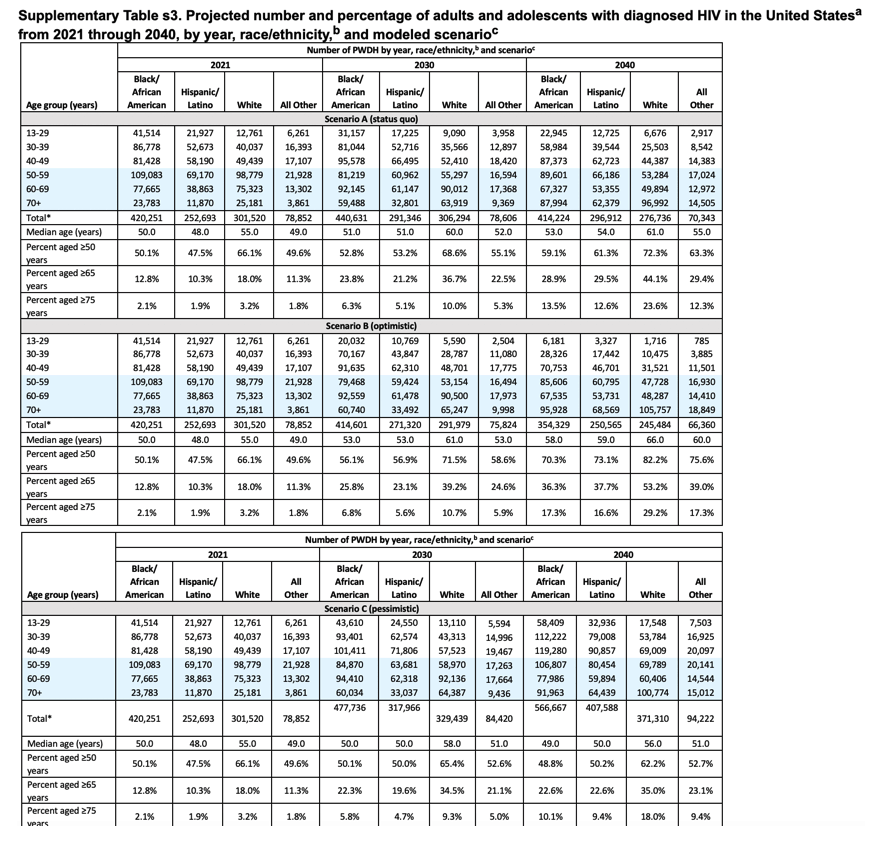
Among the 1.1 million PWH in the United States, the number of people aged 50 years or older is predicted to increase from 54% at the end of 2021 to 63%-75% by 2040 [6]....significant increases in numbers over 75 from 64000 in 2021 to as much as about 250,000 in 2040.
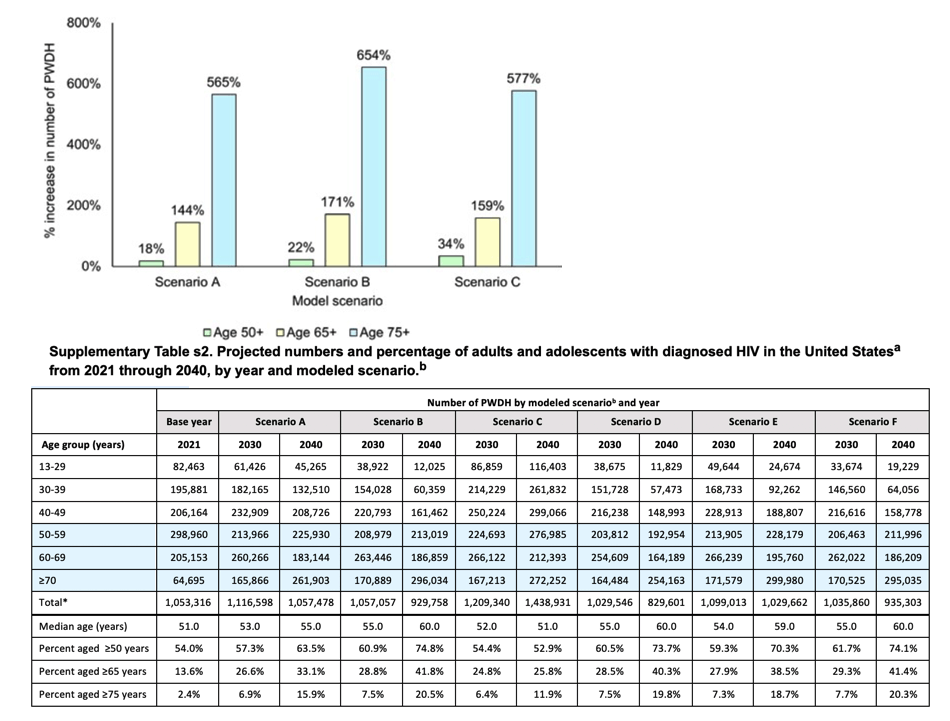
From 2021 through 2040, all three modeled scenarios projected substantial increases in the number of older PWDH, greatest among those aged ≥75 years. The estimated percentage increase in the number of older PWDH ranged from 18%-34% (102 169-192 386) among those aged ≥50 years, 144%-171% (206 774-245 388) among those aged ≥65 years, and 565%-654% (142 859-165 321) among PWDH aged ≥75 years (Figure 2).
Our findings highlight the anticipated substantial growth in the number of older PWDH, particularly those aged ≥65 or ≥75 years, over the next 15 years. Providing HIV care and primary prevention appropriate for an ageing population disproportionately affected by more non-infectious co-morbidities and premature ageing than people without HIV will be essential [4, 13-24, 38-40]. The rightward age shift with increased numbers of older PWDH will place increasingly larger demands on healthcare systems, HIV care providers, and communities. While not addressed by this model, evidence also indicates that attention to earlier onset of co-morbidities in PWDH with long-standing HIV infection following perinatal, childhood, adolescent, or early adulthood HIV infection is needed [41-44]......Regardless of the immediate future of HIV prevention, HIV diagnoses, and new HIV infections, the number of people with HIV requiring specialty care related to advancing age and non-infectious co-morbidities will substantially increase from present levels, especially if mortality continues to improve in all racial/ethnic subpopulations and regions.
A number of analyses indicate the US healthcare sector is unprepared to meet these demands, although several integrated models of care are being piloted [24-27]. Additional providers and provider training, clinical resources, and infrastructure will be required.
|
|
| |
| |
|
|
|


