| |
Comorbidity and polypharmacy burden among people living with HIV in the United States stratified by age, sex, and race: updated evidence from a contemporary cohort
|
| |
| |
Download the PDF here
Download the PDF here
sept 14 2026
Conclusions
Multimorbidity and polypharmacy were substantially more common among people living with HIV than among matched people without HIV, with consistent differences observed across age, sex, and race/ ethnicity subgroups. The burden of multimorbidity and polypharmacy was also evident among younger people living with HIV, highlighting the substantial and heterogeneous health burden across demographic groups.
Abstract
Background
Advances in antiretroviral therapy (ART) have extended the life expectancy of people living with HIV, increasing the prevalence of comorbidities and polypharmacy burden.
Objective
To compare comorbidity burden and polypharmacy among people living with HIV and matched people without HIV stratified by age, sex, and race/ethnicity.
Methods
This retrospective study used claims data from Optum's de-identified Clinformatics® Data Mart Database (01/01/19-12/31/24). Adults (≥18 years) with ≥1 ART claim or HIV diagnosis code during the 2024 calendar year (index date: earliest ART or HIV claim) were matched 2:1 to adults without HIV by age group, sex, race, region, and insurance type. Continuous enrolment of 12 months pre-index (baseline) and ≥30 days post-index was required. Baseline comorbidities and polypharmacy were compared between the two cohorts. .
Results
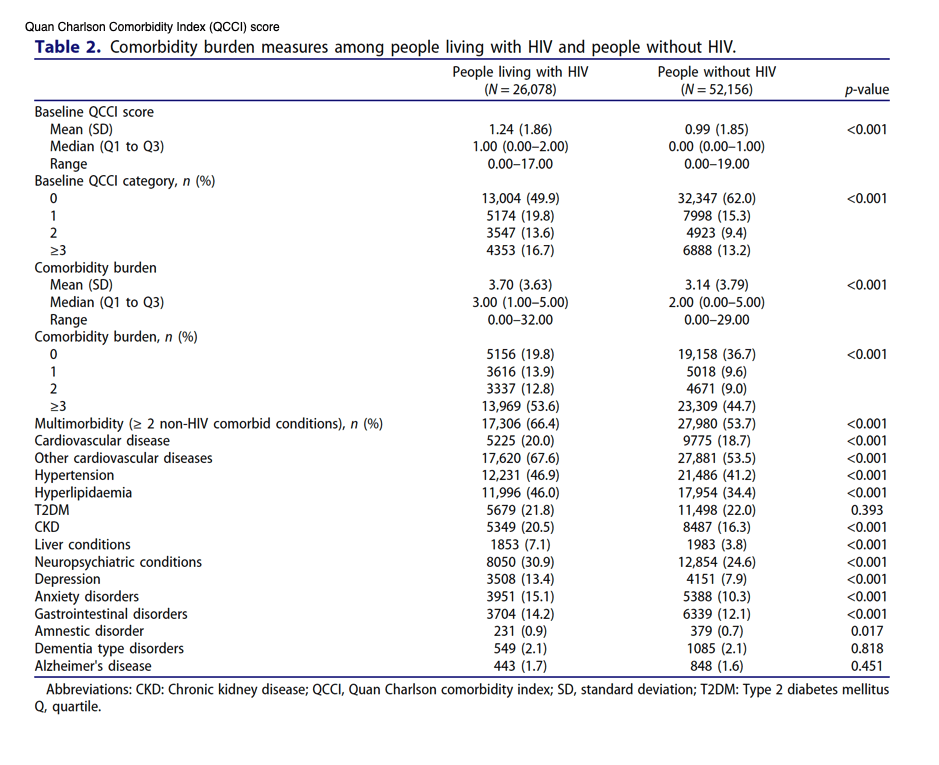
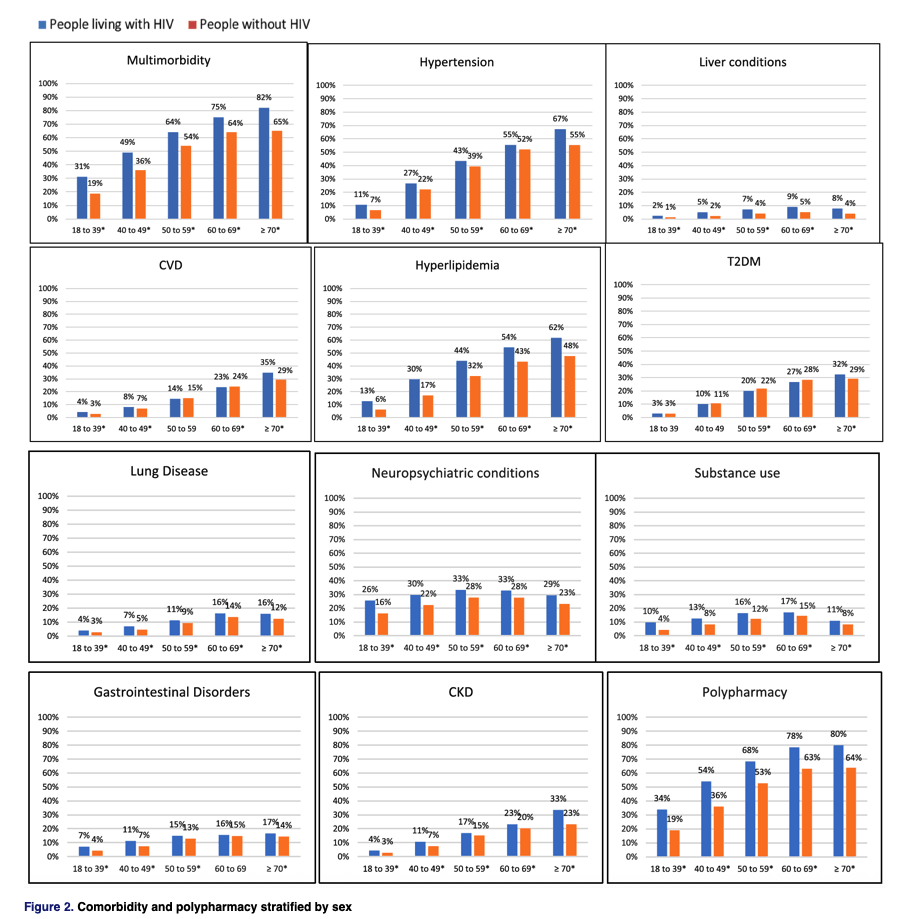
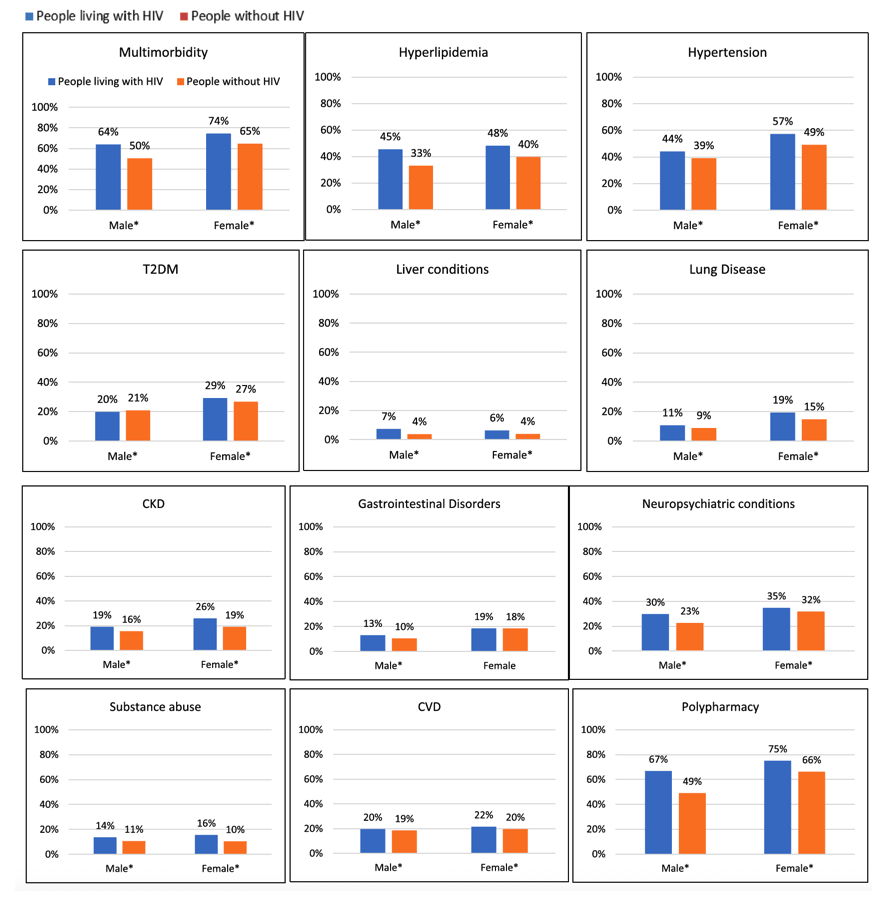
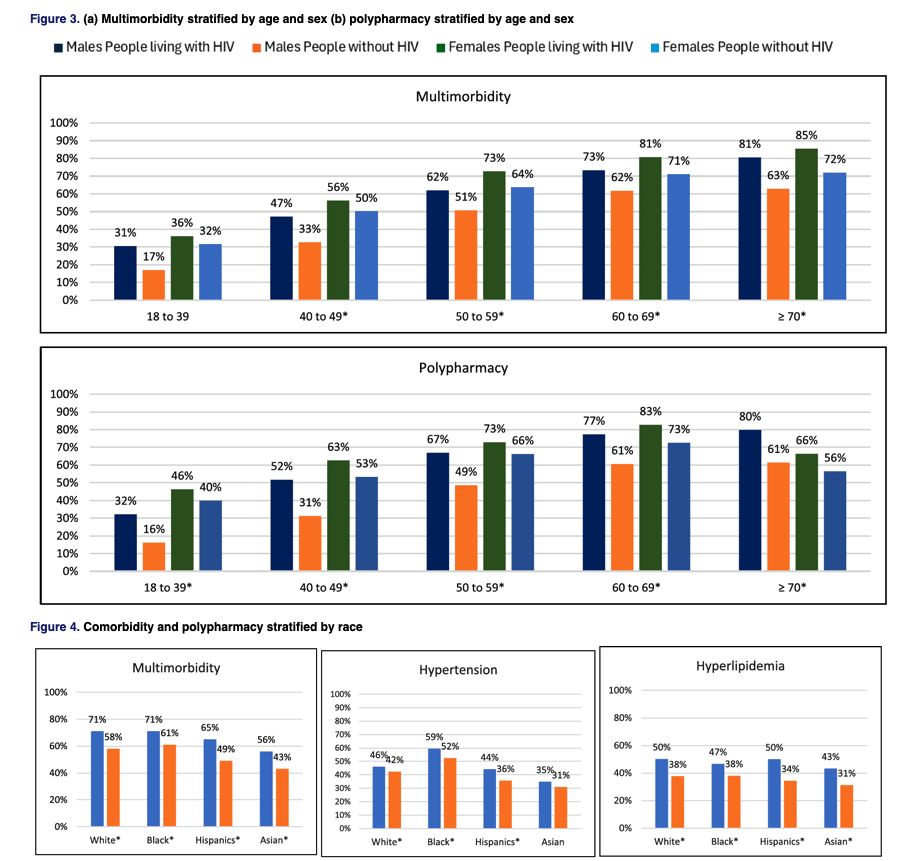
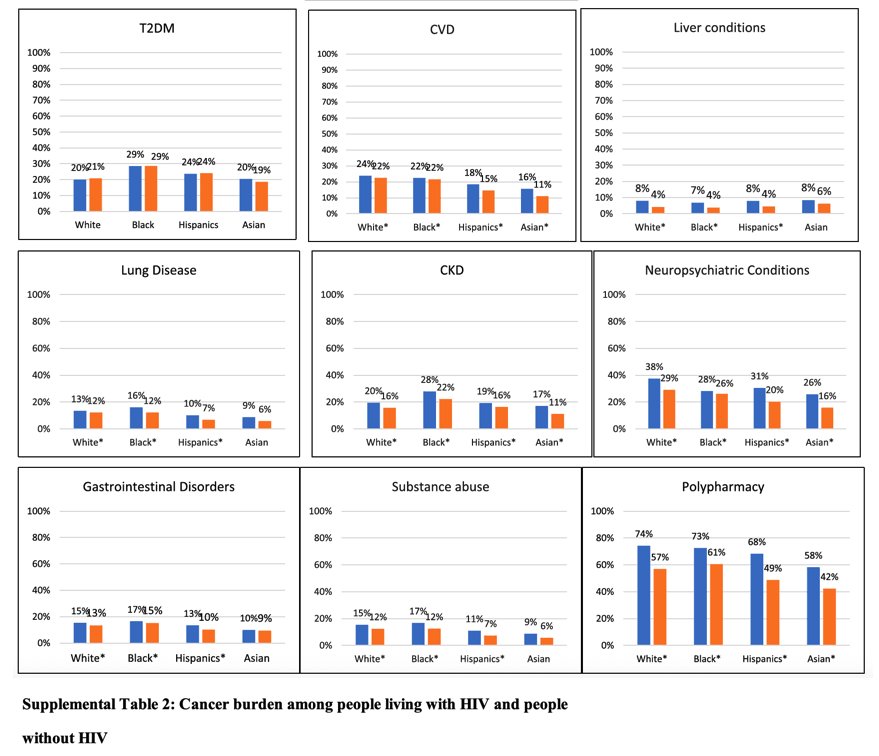
A total of 26,078 people living with HIV were matched to 52,156 people without HIV. Mean age was 58.9 years, 21.3% were female and 31.3% were Black. Mean comorbidity burden was higher in people living with HIV vs without HIV overall (3.70 vs 3.14) and across age groups and sex (female: 4.40 vs 3.85; male: 3.33 vs 2.78) (all p < 0.001). Multimorbidity (≥2 non-HIV comorbidities) and polypharmacy (≥5 non-ART drugs) prevalence were significantly higher among people living with HIV and increased with age and among females. Similar patterns were observed across racial/ethnic groups.
Conclusions
People living with HIV had greater comorbidity and polypharmacy burden than matched people without HIV across demographic subgroups. These findings underscore the need for comprehensive comorbidity assessment and comedication review to minimise drug interactions and support optimal treatment decisions for people living with HIV.
|
|
| |
| |
|
|
|


