| |
Trauma, Causes of death Women with HIV
|
| |
| |
JAIDS july 2026
Download the PDF here
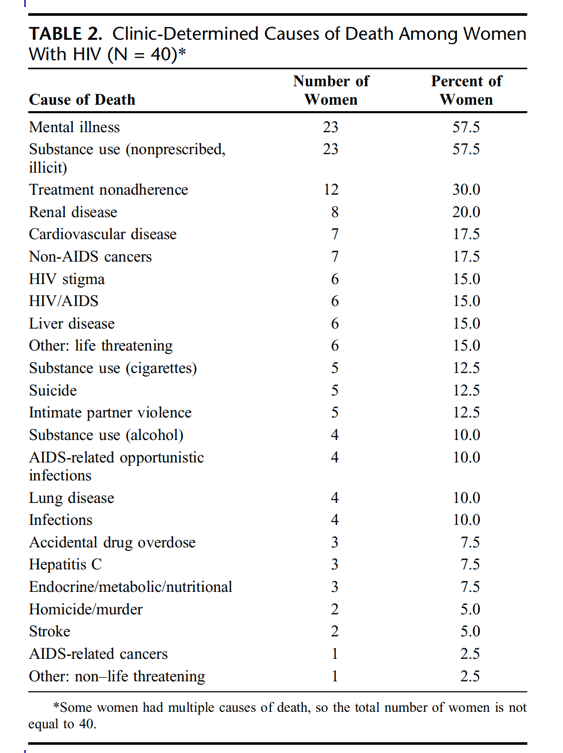
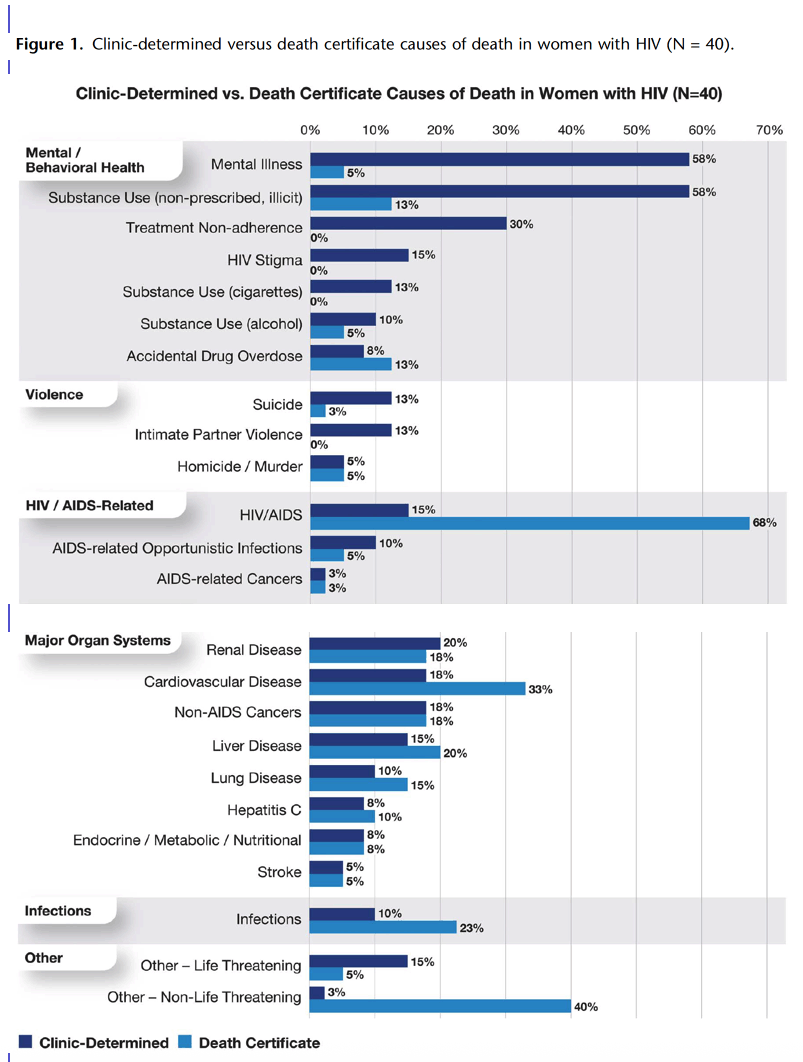
Substance use (nonprescribed, illicit) and mental illness were the two most common clinic-determined causes, each contributing to 58% of the deaths. By comparison, just 13% of death certificates included substance use and only 5% included mental illness. As such, death certificates missed substance use 91% of the time and mental illness 78% of the time.
The high rates of deaths related to mental/behavioral health and violence observed in this study can be explained, at least in part, by disproportionate rates of childhood and adult trauma experienced by women with HIV. In a prior study conducted in the same clinic, 58% of women with HIV reported experiencing four or more categories of adverse childhood experiences (ACEs), compared with 19% in the general population of women. Trauma, especially during childhood or in the absence of strong protective factors (eg, safe stable nurturing relationships and environments), is strongly correlated with adult physical and behavioral illness and early death….populations experiencing four or more ACEs are more than 30 times more likely to attempt suicide, 10 times more likely to use injection drugs, heroin, or cocaine, 7 times more likely to be a victim of violence, 5 times more likely to be depressed, and over 3 times more likely to smoke…..experiences of trauma among women with HIV are strongly associated with subsequent health outcomes. Providing care designed and resourced to help people heal from and prevent further trauma is critical to reducing deaths among women with HIV.
Background:
The unadjusted life expectancy of U.S. women with HIV is 12 years less than U.S. women without HIV. Understanding how women with HIV die is necessary to reduce this disparity but is compromised by well-documented flaws with death certificate data.
Setting:
University of California, San Francisco Women's HIV Program.
Methods:
Using a period cross-sectional design, we compared multiple causes of death in women with HIV determined by structured meetings of an interdisciplinary clinic team with multiple causes of death listed on death certificates. We included deaths occurring between 2004 and 2023.
Results:
The study included 40 women (38 cisgender, two transgender) with HIV. The clinic team identified substance use and mental illness as the most common causes of death, each occurring in 58% of cases (n = 23). Death certificates included substance use in 13% (n = 5) of cases and mental illness in only 5% (n = 2) of cases. By contrast, death certificates identified HIV/AIDS as the most common cause of death, occurring in 68% (n = 27) of cases, although the clinic team determined it was a cause of death in only 15% (n = 6).
Approximately one-third died in a residence, one-third in a hospital, one-quarter in another type of facility (eg, hospice, skilled nursing facility), and two were victims of homicide in the community. Among the 70% of women who had laboratory tests within a year of their death, 68% had a viral load less than 200 copies per milliliter, and 68% had a CD4 count >200 cells per cubic millimeter.
Conclusion:
To track the epidemic and guide resource allocation, death certificate data should be supplemented with information from providers with in-depth knowledge of each patient. To improve life expectancies of women with HIV, it is necessary to move beyond a biomedical focus on viral suppression to robust efforts to address mental and behavioral health. We include several policy recommendations to reach this goal, including extending the HIV Care Continuum to include "survival".
|
|
| |
| |
|
|
|


